





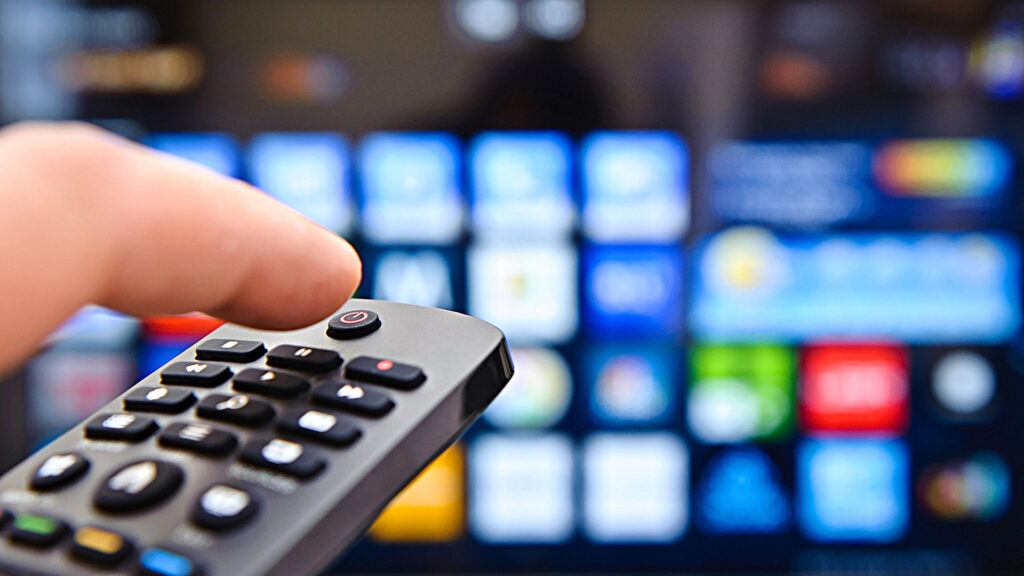
In Nigeria, the Federal Government has officially finalised its Digital Switchover (DSO) programme – transitioning the country from analogue to digital television broadcasting.
This, according to the government, marks a significant transformative step in Nigeria’s digital landscape and a crucial part of the government’s strategy to build a US$1 trillion economy. Minister of Communications, Innovation, and Digital Economy, Bosun Tijani, emphasised the event’s importance, stating, “Today, Nigeria joins the ranks of nations embracing modern digital broadcasting infrastructure.”
Additionally, Mohammed Idris, Minister of Information and National Orientation, emphasised the collaborative effort among government agencies and industry stakeholders that led to this landmark achievement. “The Digital Switch Over is not merely a technological upgrade; it is a pivotal moment for Nigeria’s future in broadcasting and beyond”, he claimed!
The government ministers expressed optimism about Nigeria’s potential to export its digital and broadcasting services across West Africa, asserting that the infrastructure being built will enable Nigerian stories and innovations to reach a global audience.
Charles Ebuebu, the Director-General of the National Broadcasting Commission (NBC), hailed the DSO launch as the beginning of a new national communications framework that will play a vital role in Nigeria’s digital transformation. He underscored the initiative’s potential to create opportunities for content creators, broadcasters, and local manufacturers while promoting media plurality and increasing consumer choice.
Jane Egerton-Idehen, Managing Director of NigComSat Limited, stressed the DSO program’s significance as a strategic investment in Nigeria’s digital future. She highlighted that beyond the immediate economic benefits, the program would foster a more informed, connected, and inclusive society, providing enhanced viewing experiences and a wider range of content.