







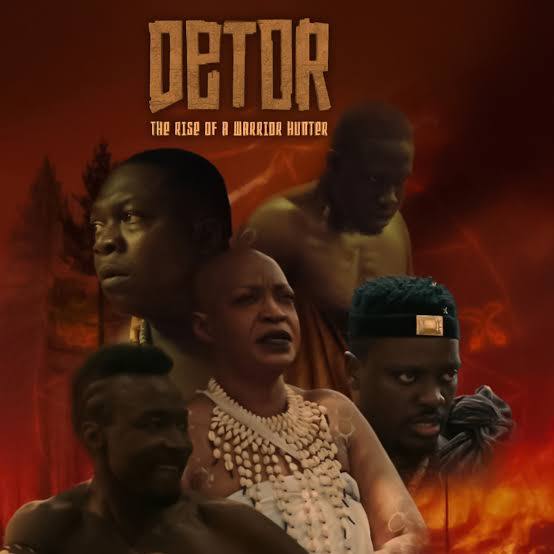
For the first time, a Ghanaian film is set to be showcased at major cinemas across South Korea, marking a significant milestone in Ghanaian storytelling within the Korean and broader Asian cultural landscape.
The featured film, “Detor: The Rise of the Warrior Hunter”*, will be presented in a multi-week screening program across three cities, starting this month. The screenings will kick off at the Busan Cinema Centre from May 21 to May 27, followed by additional showings at Megabox COEX in Seoul from May 28 to June 3, and concluding at the Jeonju Digital Independent Cinema from June 11 to June 14.
Ambassador Kojo Choi, Ghana’s representative in South Korea, hailed this initiative as a “bridge between nations and people,” emphasising its role within a broader cultural diplomacy framework that complements ongoing bilateral efforts in trade, education, and technology. Shortly after taking office, Ambassador Choi identified the Africa Film Festival as a strategic avenue for introducing Ghanaian content to East Asia and actively encouraged Ghanaian filmmakers to submit their work. He described this effort as a historic achievement in enhancing Ghana-Korea cultural relations and a step towards integrating Ghanaian film, music, fashion, and digital content into global distribution channels.
The decision to host screenings across multiple cities and prominent venues demonstrates a strategic approach aimed at maximising audience engagement rather than merely organising a solitary ceremonial event. Industry experts have long noted that sustained visibility on the international stage is crucial for attracting investment, elevating production quality, and establishing reliable market access for Ghanaian content creators.
Interest in African cinema has been steadily increasing in East Asia, with independent film circuits gaining traction. Participation in recognised festival venues often leads to further opportunities for co-production, distribution, and tourism promotion.
The Ghanaian embassy in Seoul has indicated plans for additional cultural and creative collaborations as part of ongoing bilateral initiatives, suggesting that the screenings in Korea signify the beginning of a broader, long-term strategy rather than just a one-time occurrence.