







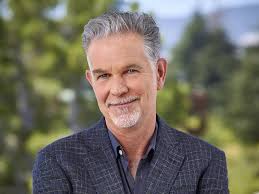
Reed Hastings, the co-founder and chairman of Netflix, is set to resign from the company’s board in June, concluding nearly thirty years of transformative leadership at one of the foremost names in global streaming.
Hastings’ exit symbolises the closure of a significant chapter for Netflix, which he played a crucial role in evolving from a DVD rental service into a streaming titan valued at over US$450 billion.
Leadership Transition in Motion
In recent years, Hastings has been gradually reducing his involvement in daily operations. He appointed Ted Sarandos as co-CEO in 2020, with Greg Peters succeeding him in 2023. With Hastings leaving the board, Netflix will fully embrace a new era of leadership under Sarandos and Peters.
The company revealed that Hastings intends to dedicate his efforts to philanthropy and personal interests, particularly his work with the Hastings Fund, which champions education and social equity initiatives.
Investor Concerns Following Earnings Report
This announcement coincided with Netflix’s first-quarter earnings report, which disappointed investors. The company forecast second-quarter earnings per share of US$0.78, falling short of Wall Street’s US$0.84 estimate, leading to a 9.6% decline in after-hours trading.
Additionally, investors were looking for updates on share buybacks and improved long-term profit projections, which the report did not address.
Strategic Choices Amid Market Pressures
Netflix’s leadership spoke about its recent decision to withdraw from a planned US$83 billion acquisition of Warner Bros. Discovery assets, citing valuation concerns. According to Sarandos, this process tested the company’s investment discipline, emphasising its readiness to discard deals that do not align with its long-term vision.
Looking Ahead
As Hastings steps down, Netflix enters a pivotal phase where it must navigate:
- Growing competition in the streaming market
- Changes in content consumption patterns
- Evolving monetisation strategies, including ads and subscriptions
The company’s future trajectory will hinge on its ability to sustain growth, enhance profitability, and adapt to an ever-changing entertainment landscape.
Hastings’ departure marks more than just a shift in leadership; it signals a generational transition for Netflix as it evolves from a founder-led vision to an institutional approach focused on operational execution. As the streaming industry matures, Netflix’s ability to adapt and thrive beyond its founding era will be essential for retaining its status as a global leader.