





Ask any commercial radio sales director in Africa what keeps them up at night and the answer is rarely about content. It is about the advertiser on the phone asking why they should renew a spot package when they can buy a hyper-targeted digital audio campaign through Spotify’s Audience Network at a fraction of the cost, with a dashboard full of attribution data to justify every cent.
That conversation is happening in Abidjan, Kampala, Dar es Salaam, and Cape Town right now — and the stations winning it are not the ones defending the old model. They are the ones who have already built something more sophisticated in its place.
“The stations winning the revenue conversation are not defending the old model. They are the ones who have already built something more sophisticated in its place.”
The entry point for most is programmatic advertising.
Rather than selling airtime in blunt 30-second blocks negotiated by a sales team, programmatic platforms such as AdsWizz, Triton Digital’s marketplace and the DAX (Digital Audio Exchange) network allow broadcasters to serve dynamically targeted audio ads against listener data in real time — by location, language, time of day and behavioural signals.
The CPM yields are significant: well-targeted programmatic audio campaigns regularly return between US$18 and US$45 per thousand impressions on African digital radio inventory, compared with US$3 to US$8 per thousand impressions for traditional spot airtime.
Nigeria’s Beat 99.9 FM was among the first in West Africa to layer AdsWizz across its streaming output, unlocking a new revenue tier from international advertisers who had previously considered the station’s digital footprint too thin to buy against. Within eighteen months, digital advertising had grown from under 8 per cent of total revenue to nearly 27 per cent.
The second pillar of the hybrid model is subscription.
The instinct of many broadcasters is to resist this — radio, after all, has always been free. But the evidence from markets where tiered listening has been introduced is compelling. South Africa’s Primedia digital properties introduced an ad-light premium listening tier in 2024 at R49 per month, targeting the commuter audience that valued uninterrupted content above all else.
Within a year, it had enrolled over 85,000 subscribers — not replacing advertising revenue, but sitting cleanly alongside it and delivering a predictable monthly income that the sales cycle never can. The lesson is not that listeners will pay for radio per se. They will pay for a version of it that respects their time, their inbox and their intelligence.
The third strand — and the one most stations are still leaving entirely on the table — is e-commerce integration.
When a morning show presenter recommends a skincare brand, a local restaurant, or a festival ticket, the listener’s purchase intent peaks at that moment. Stations that have built shoppable links into their app experience, integrated affiliate partnerships with platforms such as Jumia and Takealot, or developed direct merchandise and events ticketing through their digital properties are converting that intent into immediate, trackable revenue.
Ghana’s Adom FM has pioneered this model most effectively on the continent, building an events and e-commerce arm that now generates over 15 per cent of the group’s total revenue — income that would not exist within a traditional broadcast commercial model.
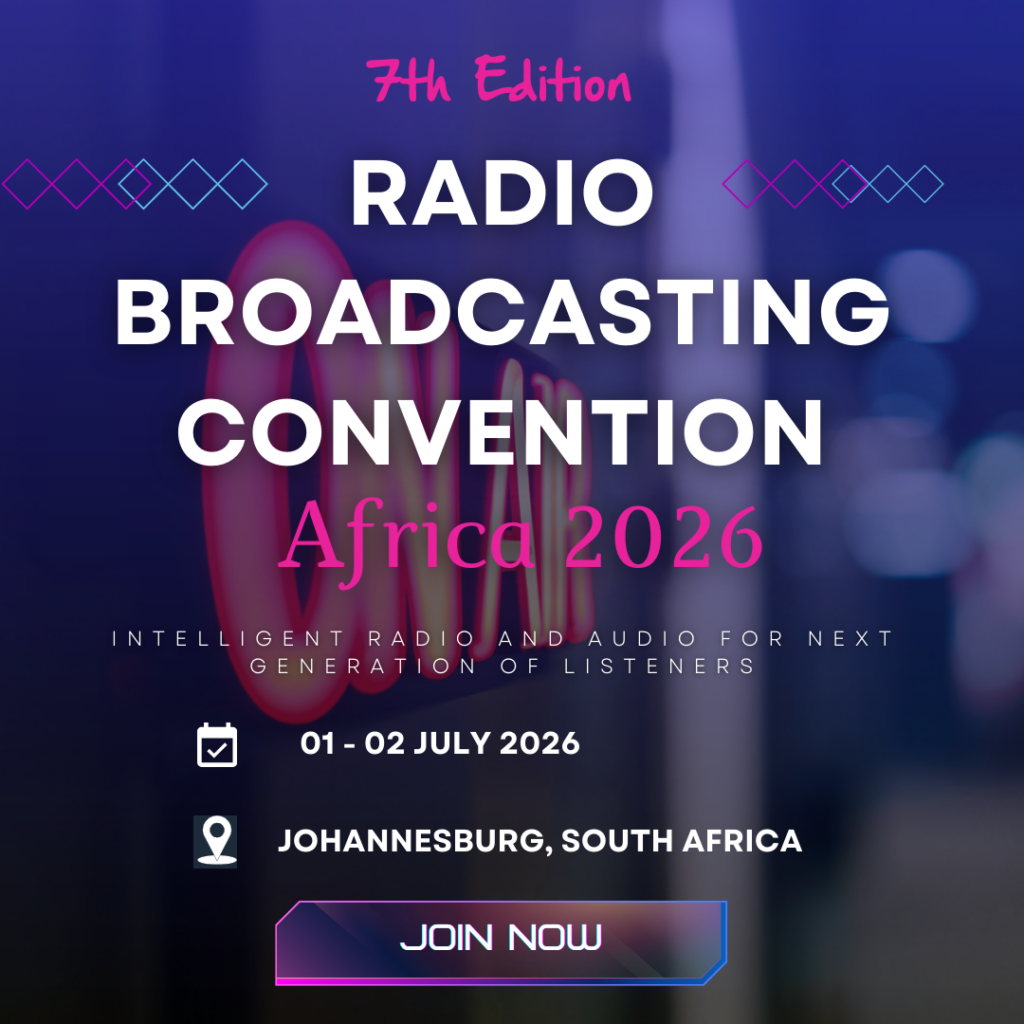
With the Radio Broadcasting Convention – Africa 2026 now days away, the revenue conversations at the event, which will take place at “The Venue Green Park in Johannesburg” on the 1st and 2nd of July 2026, will have an edge to them that earlier conventions did not.
Budgets are tighter, advertiser expectations are higher, and the streaming platforms that once felt like distant competition are now sitting inside the same media plans.
The broadcasters have a hybrid revenue strategy already in motion — one that stacks programmatic, subscription and commerce into a coherent commercial architecture — that will not just survive the next decade. They will define it. Those still relying on the spot ad alone should use the next few days to ask themselves, seriously, whether that is still a viable position to hold.
Written by Benjamin Pius (Publisher @ BMA) as part of the forthcoming Radio Broadcasting Convention – Africa 2026, 1–2 July 2026, The Venue Green Park, Johannesburg, South Africa. Register and view the full programme →
RADIO BROADCASTING CONVENTION – AFRICA 2026 (RAD26)
● Dates: 1–2 July 2026
● Venue: The Venue, Green Park – Johannesburg, South Africa
● Theme: Intelligent Radio and Audio for the Next Generation of Listeners
● Register: radio.broadcastingandmedia.net