






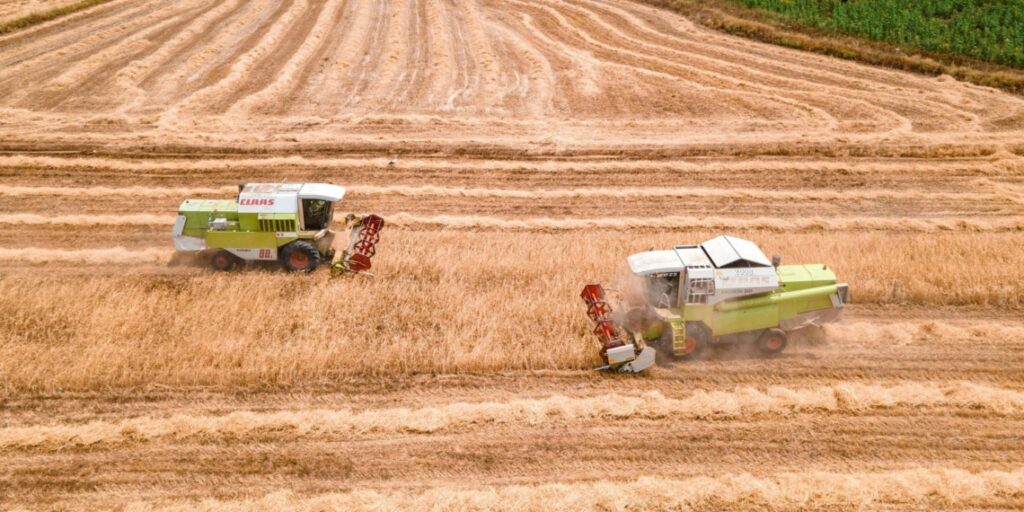
GRABOUW, SOUTH AFRICA – With the enactment of Beijing’s historic zero-tariffs policy on 1 May, farmers in the Western Cape have stepped up production in response to rising demands from the Chinese market.
In footage shot in Grabouw, there is much hustle and bustle as workers pick high-quality apples for onward shipment to local factories, then to the busy Cape Town port. This move comes after China opened its borders to duty-free entry for goods from 53 African countries. The duty-free policy will be in operation until 2028.
As the rest of the agriculture sector celebrates this opportunity, the Black Farmers Association of South Africa (BFASA) says more government involvement is needed to ensure fair participation. Speaking to journalists, BFASA President Dr Lennox Mtshagi said the reduction in tariffs was a “positive move,” adding that he would have loved it if his ministry had come on board first.
“The problem is that we are not informed,” said Dr Mtshagi, who underlined that small-scale producers without any connection to the export value chain would be subject to price bargaining that could affect their economic sustainability. “It is important for the government to talk to us to ensure that our people are informed.”
As China remains South Africa’s largest trading partner, ahead of the European Union, the zero-tariff agreement presents a unique opportunity for the continent to address its trade deficit. For South African black farmers, however, the issue is all about getting a fair chance at the global dinner table.
View the full video report below
[This current affairs report item is provided as part of Broadcast Media Africa (BMA)’s mandate to keep Africa’s broadcast media audiences and stakeholders informed on international developments in local and global humanitarian and public service broadcasting.]