

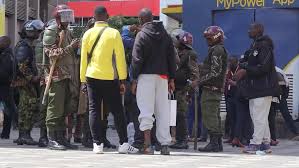
NAIROBI, KENYA — The streets of Nairobi’s Central Business District and the Archives area were transformed into a theatre of civil unrest this Tuesday. Citizens from all walks of life gathered to denounce the soaring cost of living, exacerbated by a global energy crisis that has pushed Kenya’s economy to a breaking point.
The demonstrations, triggered primarily by a sharp rise in fuel prices, were met with a robust police presence. Local media reports confirm that at least 11 individuals were arrested and transported to the Central Police Station as authorities moved to disperse rallies and clear blockades.
The energy crisis affects the whole world owing to the ongoing strife in the Middle East region, coupled with the unprecedented closure of the Strait of Hormuz; however, Kenyans have a bone to pick with their country’s internal policy, because taxes on fuel are much higher in Kenya than in other East African countries.
“The fuel crisis is everywhere, but Kenyans feel the levies added here are excessive,” one resident explained. “It is an everyone issue, not just Gen Z. We are seeing middle-aged and elderly people on the streets because the economy is hitting everyone. The belt was already too tight.”
This situation has had a severe effect on the transportation industry, with commuting costs rising by up to 50%. To the average working person, this will put them at risk of not earning their daily wages. People are pleading with the government for help easing their financial burdens.
Despite the tensions and skirmishes with the police, the shops are still operating, though there is an overall sense of unease in the capital city. In light of the International Energy Agency’s warnings about “the greatest ever global energy security challenge,” the residents of Nairobi are calling for protection against the vagaries of the international market.
View the full video report below
[This current affairs report item is provided as part of Broadcast Media Africa (BMA)’s mandate to keep Africa’s broadcast media audiences and stakeholders informed on international developments in local and global humanitarian and public service broadcasting.]