






KIGALI, Rwanda – RE-BANATEX, a unique social venture based in Kigali, is revolutionising Rwanda’s fashion industry by using banana stems and leaves to create eco-textiles. Using both traditional craft skills and a circular economy approach, the company is not only minimising waste but also creating jobs for youth in the country.
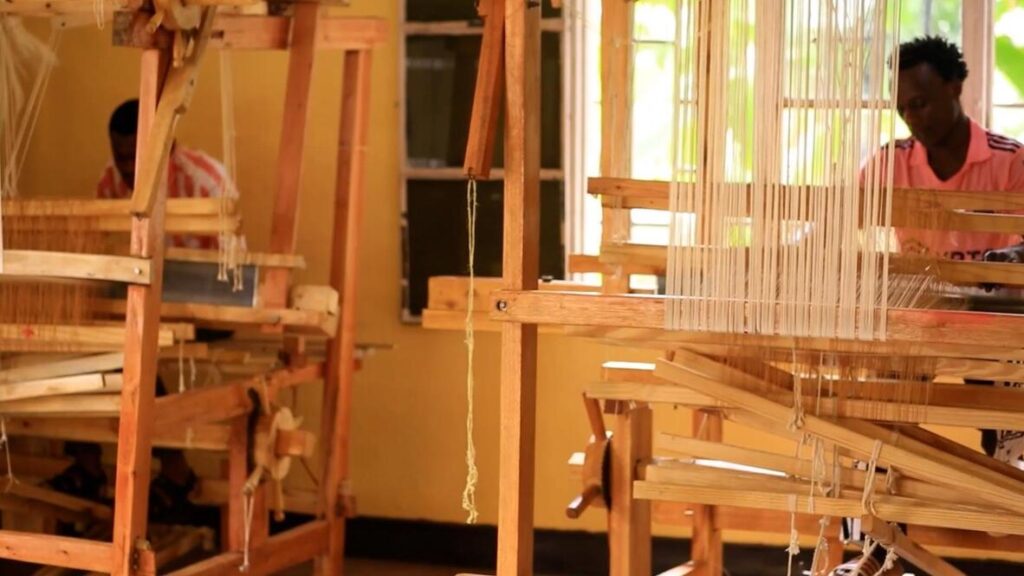
The video, recorded on Sunday at the RE-BANATEX facility in the Eastern Province, shows the detailed process of creating the product line. Employees were recorded working with handlooms and specialised machines to weave the natural fibres into threads. On display were various items made from natural fabric, including bags, sandals, and other craft accessories.
“The reason why RE-BANATEX is implementing this project is to see how we can support the ‘Made In Rwanda’ movement with locally available material,” explained Jonathan Shauri, Founder and CEO. “We also aim to cut down the excessive amount of synthetic textiles that dominate the market.”
The process of making the fabric entailed numerous trials. It has set up a system that allows farmers, engineers, and fashion designers to interact. By purchasing stems and leaves from local farmers, RE-BANATEX enables individuals in rural communities to earn extra income from one of the country’s most abundant agricultural resources.
Even while using the traditional loom in its production process to gain deeper insight into the nature of the fibre, RE-BANATEX has a grandiose plan to expand its operations. “This has taken us to a new level,” said Nkundimana Prosper, one of the young designers working for the company. “We have been making money without facing any difficulties, and our next goal is to produce 100 bags every day.”
By integrating renowned fashion designers’ perspectives into its plans, RE-BANATEX ensures that its banana fibre products meet modern-day designers’ requirements.
View the full video report below
[This current affairs report item is provided as part of Broadcast Media Africa (BMA)’s mandate to keep Africa’s broadcast media audiences and stakeholders informed on international developments in local and global humanitarian and public service broadcasting.]