

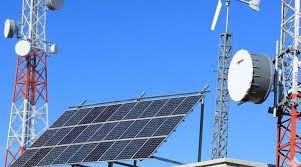
In a significant move towards sustainable operations, Airtel Nigeria has successfully rolled out 200 solar-powered telecommunications towers in both rural and urban areas within just one year. This initiative comes as network providers seek viable alternatives amid rising diesel costs and unreliable electricity supplies.
Between April 2025 and March 2026, this deployment is part of Airtel’s broader strategy to reduce reliance on diesel-powered infrastructure while enhancing network capacity and coverage.
According to Airtel Africa’s annual report for 2025/26, these solar-powered “lean sites” have boosted network uptime by 21% and slashed monthly maintenance costs by 90%. Furthermore, the transition to solar has significantly reduced carbon emissions compared with traditional diesel-powered towers.
Telecom operators in Nigeria face ongoing power supply issues, with diesel prices soaring to between US$1.60 and US$1.93 per litre. This steep increase has added considerable strain to the operational costs of telecommunications networks. Since 2015, Nigeria has experienced over 110 grid failures and significant power outages, with unreliable electricity estimated to cost the economy around US$25.4 billion each year.
Airtel noted that the technology behind the lean sites employs simplified systems that do not require diesel generators or extensive ground-based towers, allowing for more cost-effective mobile service delivery while meeting the rising demand for data and broadband.
The industry is increasingly shifting towards alternative energy solutions to manage operational expenses. For example, MTN Nigeria reported in its 2025 sustainability report that employing gas-powered electricity from independent producers, along with inverter technologies, saved roughly US$5.7 million within the year.
Recent data from the Nigerian Communications Commission highlight the sector’s critical energy challenges, noting that telecom operators consume over 40 million litres of diesel each month to power network towers.
Airtel Nigeria continues to lead within the group as its largest market, generating US$1.6 billion in revenue over the year. The operator’s customer base expanded to 58.3 million, with average monthly data usage per customer rising by 30.8% to 11GB, bolstered by the installation of 1,050 new sites and 657 5G locations.