






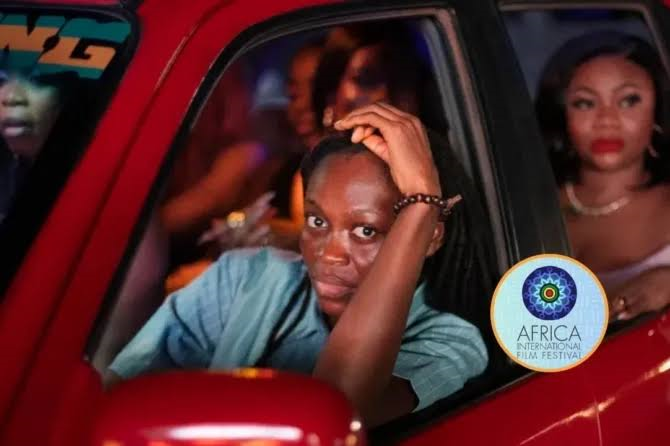
Olive Nwosu’s feature film debut, Lady, will open the 15th edition of the Africa International Film Festival (AFRIFF), bringing a story of women navigating survival and solidarity in Lagos to a festival focused on the future of Africa’s film and creative industries.
AFRIFF 2026 will take place in Lagos from 1 to 7 November under the theme “Frames of the Future: Africa’s Creative Intelligence.” The programme will explore the talent, technologies and business models shaping African filmmaking, with attention extending beyond storytelling to production, financing, distribution and international market access.
Lady centres on women who drive taxis at night in Lagos while engaging in transactional sexual relationships. The film explores economic survival, women’s agency and sisterhood in a contemporary urban setting. As Nwosu’s first feature, its opening-night placement also puts an emerging filmmaker at the centre of a festival seeking to showcase African creative talent.
Festival founder and director Chioma Ude said the programme would celebrate African stories alongside the innovation and enterprise required to bring them to audiences. The event is expected to feature 130 film screenings, masterclasses, industry discussions and networking opportunities, alongside the Africa Film & Content Market (AFCM).
The market component is particularly significant for an industry in which access to finance, distribution partnerships and international buyers remains a challenge for many independent producers. By bringing filmmakers, producers, distributors and other industry professionals together, AFCM aims to create opportunities for partnerships and alternative routes to market for African content.
Institutional and international collaboration will also feature in this year’s programme. Shuaib Hussein, Director-General of Nigeria’s National Film and Video Censors Board, reaffirmed the government’s commitment to strengthening the sector through improvements in technology, distribution and infrastructure.
The United States Mission in Nigeria is continuing its support for AFRIFF for the 11th consecutive year, according to US Consul General Brandon Hudspeth. US film envoys Angel Kristi Williams and Charles Kirby are scheduled to lead workshops in directing and cinematography for emerging Nigerian filmmakers. Representatives from Brazil and France are also highlighting cultural exchange and co-production as ways to expand audiences and develop cross-border opportunities.
The festival will close with It’s the Blackness, directed by Hakeem Kae-Kazim, completing a programme intended to connect African films and creative professionals with international audiences and commercial partners. For the sector, AFRIFF’s combination of screenings, professional training and market activity reflects the growing importance of linking creative recognition with the business infrastructure needed to sustain production and distribution.

