







Cybersecurity is no longer an issue reserved for large technology companies or well-funded media organisations. As broadcast operations become increasingly connected, broadcasters of all sizes face growing exposure to cyber threats, while many continue to operate with ageing infrastructure, legacy systems, and limited technology budgets.
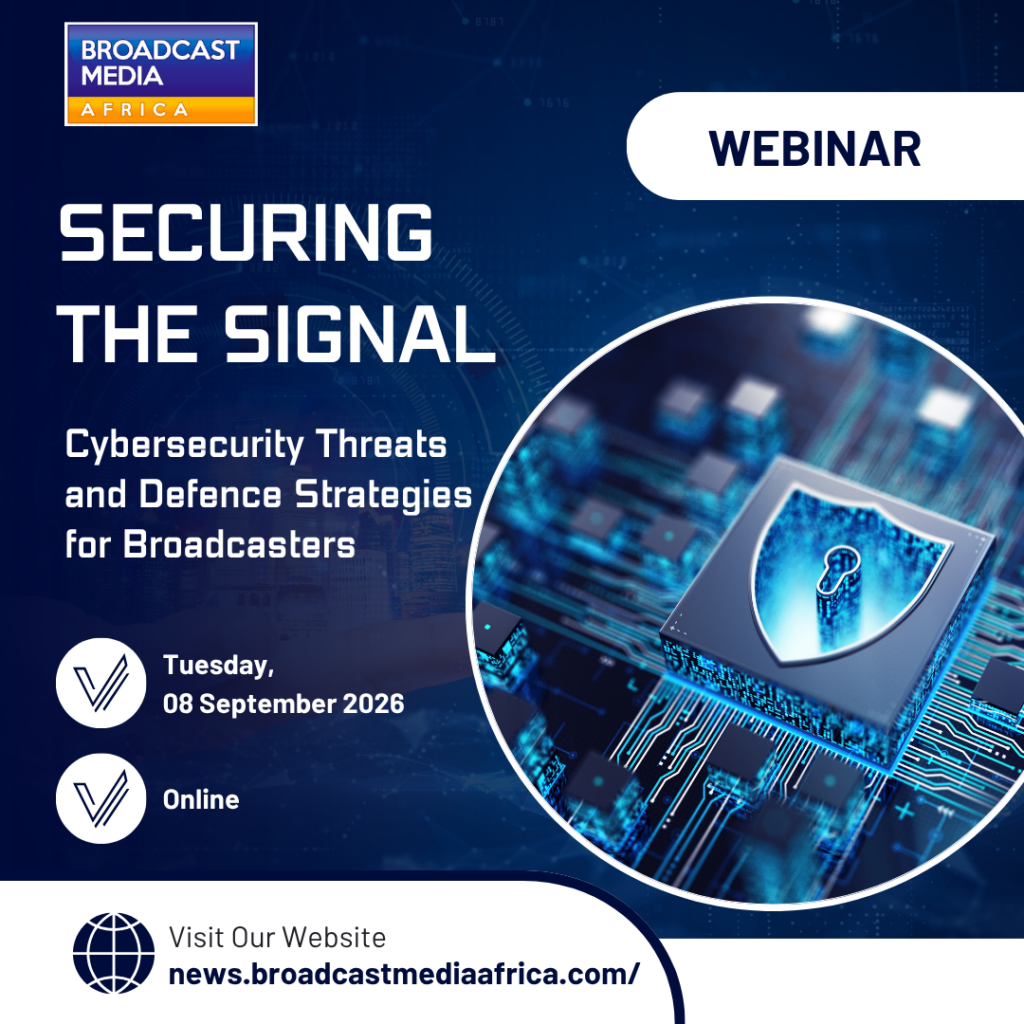
This will be a key focus of the upcoming “Securing the Signal: Cybersecurity Threats and Defence Strategies for Broadcasters” webinar, taking place online on Tuesday, 08 September 2026.
For many broadcasters, securing legacy broadcast infrastructure can seem daunting. Replacing ageing systems, upgrading networks and deploying sophisticated cybersecurity platforms can require significant investment that is simply not available. Yet delaying action can leave critical broadcast operations increasingly vulnerable to ransomware, malware, unauthorised access, phishing, data breaches and attacks designed to disrupt services.
The upcoming webinar will explore this question in depth, examining how broadcasters can prioritise cybersecurity investments according to their most critical risks rather than attempting to secure everything at once. A risk-based approach can help organisations identify their most vulnerable and operationally important systems and direct limited resources to protect them first.
The discussion will also highlight an often-overlooked aspect of cybersecurity: people and processes. Basic measures such as stronger authentication, disciplined password management, regular software updates, secure backups, and staff awareness can provide significant protection without requiring major capital expenditure. Building a culture in which employees understand phishing, social engineering,g and other common attack techniques can be one of the most cost-effective investments a broadcaster can make.
The “Securing the Signal: Cybersecurity Threats and Defence Strategies for Broadcasters” webinar will bring together industry and technology stakeholders to examine how broadcasters can take realistic, cost-conscious steps towards stronger cyber resilience.