






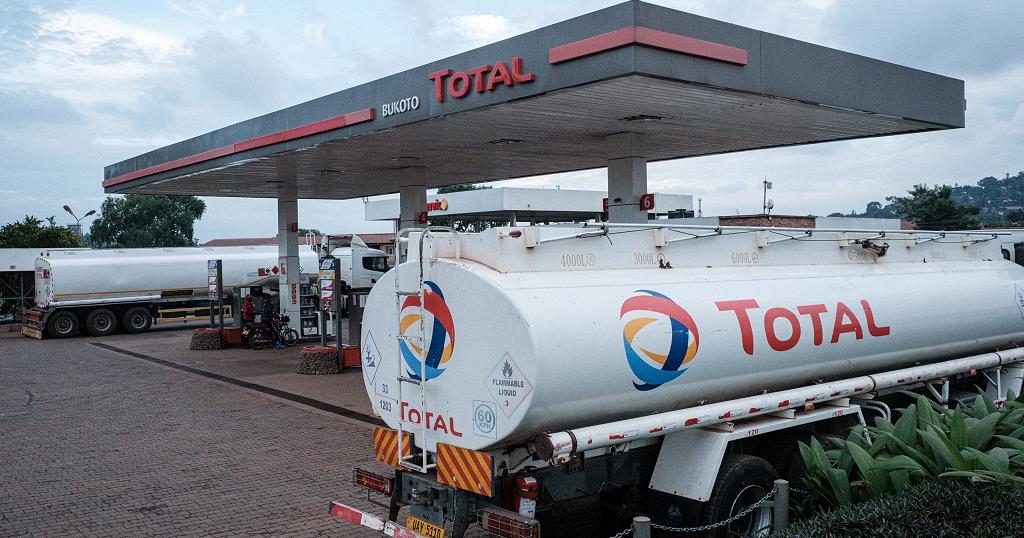
KAMPALA, UGANDA – As huge resources have been invested in the petroleum industry and the landmark of the country’s first crude oil production looms, many people in Uganda wonder why fuel prices are soaring.
Video clips showing residents of Kampala trying to manage their day-to-day activities amid rising transportation costs are widespread online. Many people had hoped that their fuel prices would come down with oil discoveries in the local market.
“I was spending about $13.27 every week before. But now I must spend about $21.25,” said Kampala resident Hillary Rwigyema, describing how it has affected his finances.
This issue affects the economy in more ways than one. The cost of transporting goods from Nairobi increased from $950 to $1,195, according to local businessman Musakiliza Mark. “It will be difficult to make ends meet if we do not make some increase in the selling price too.”
The government officials believe that fuel prices in Uganda are competitive compared with those in neighbouring countries and that the increase is due to unpredictable external events rather than internal policies. Patricia Litho, a commissioner in the Ministry of Energy and Mineral Development, explained that international disputes, changes in supply routes, exchange rates, high transport costs, and high insurance fees are responsible for the rise in import costs. “We are importing at a higher cost, and we won’t be selling our products at a lower price without making any subsidies.”
Whereas Uganda plans to start oil production in mid-to-late 2026 by launching the Tilenga and Kingfisher projects, analysts argue that oil prices will remain unpredictable worldwide until Uganda’s refinery capacity becomes fully operational.
View the full video report below
[This current affairs report item is provided as part of Broadcast Media Africa (BMA)’s mandate to keep Africa’s broadcast media audiences and stakeholders informed on international developments in local and global humanitarian and public service broadcasting.]