






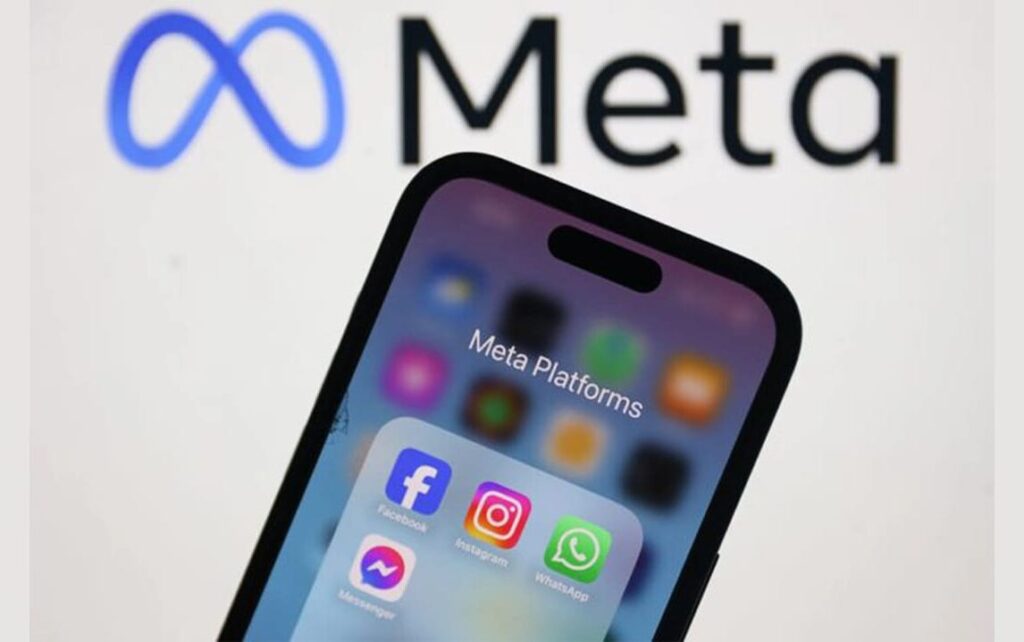
Meta has announced a new subscription-based model for its platforms, including Instagram, Facebook, and WhatsApp. While the apps themselves remain free, users can now access additional “Plus” features through a subscription service called Meta One.
- Instagram Plus will cost US$3.99 per month. Subscribers will gain access to insights about who rewatched their stories, unlimited custom audience lists beyond just Close Friends, the ability to spotlight a story for an entire week, an option to keep stories live for longer than 24 hours, a preview mode for watching others’ stories without them knowing, and Super Heart animated reactions. Additionally, users can post to their profile without it appearing in their followers’ feeds.
- Facebook Plus is similarly priced at US$3.99 per month, offering a package that includes enhanced profile customisation, improved reactions, and analytics.
- WhatsApp Plus comes in at a lower price of US$2.99 and focuses on personalising the messaging experience with features like custom themes, ringtones, more pinned chats, and premium stickers.
Moreover, Meta is introducing AI-focused tiers: Meta One Plus is priced at US$7.99, and Meta One Premium at US$19.99. The Premium plan will provide advanced reasoning support on complex tasks and greater capabilities for generating images and videos across Meta’s applications. Limited free access to Meta AI will remain, though it will be subject to usage restrictions. Testing for these plans is set to begin next month in select countries, including Singapore, Guatemala, and Bolivia.
For businesses and creators, Meta One Essential will be available for US$14.99 and include features such as the Verified badge, impersonation protection, and enhanced link sheets. The more advanced package, Meta One Advanced, is priced at US$49.99 and includes perks like improved search placement, an eye-catching Follow button on Reels, automatic follow invitations, and detailed competitive analytics. This tier will initially be tested in Saudi Arabia, Morocco, Thailand, and Bangladesh.
It’s worth noting that these new offerings do not replace the existing Meta Verified subscription, which will remain available.
Meta’s decision to roll out these subscriptions comes as the advertising model that has supported platforms for years faces significant challenges. As more users are finding answers through AI tools rather than traditional search engines, the existing advertising structure is struggling. With about 60% of Google queries resulting in zero-click searches and significant drops in publishers’ referral traffic, the situation is critical.
This shift in user behaviour has also affected social networks. Despite still generating the majority of its revenue from advertising, Meta’s growth has stagnated as user engagement on its platforms has peaked. In this context, subscriptions represent a logical next step for revenue diversification.
Previous discussions highlighted how ad-free subscriptions might negatively affect Kenyan creators and small businesses by potentially limiting their audience exposure for both organic posts and paid promotions. While the new Plus features do not eliminate ads, they create a distinct two-tier system: subscribers enjoy enhanced features. At the same time, non-paying users experience a more limited, less satisfying version.
Other platforms, like X (formerly Twitter), have pursued similar subscription models, offering various tiers with increasing features. However, widespread dissatisfaction with these changes indicates that charging users to enhance basic app usability may not be the best direction for social interactions online. Many users prefer smaller, more intimate digital spaces free of algorithms that dictate their experience and devoid of monetised engagement.
Meta’s strategy rests on the hope that enough power users and creators will opt for these paid features, making subscriptions a meaningful new revenue source. While this model may seem logical for a platform with billions of users, it also signals the decline of the free, ad-supported social media experience that has characterised the past decade and a half.

