






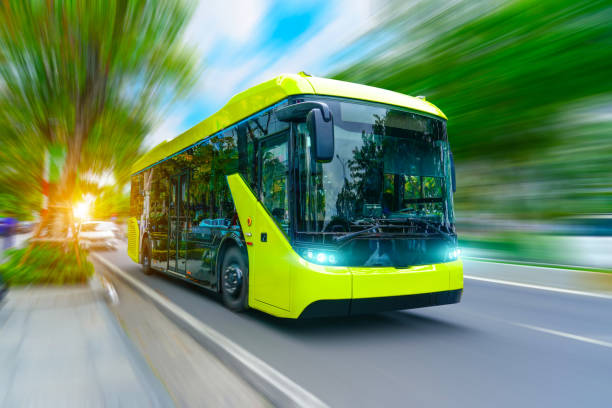
Rwanda is making significant strides in transforming its public transport sector, with a strong focus on electrifying motorcycle and bus fleets as part of its wider environmental and climate action goals. Footage filmed in Kigali on Thursday captures residents commuting on a range of electric vehicles, from sleek eco-friendly buses to battery-powered motorbikes, supported by a rapidly expanding network of convenient charging stations across the city.
The video attached highlights how the transition is addressing environmental concerns and reshaping daily life for local communities. Electric vehicles are proving to be cost-efficient and practical, offering an alternative to traditional fossil-fuel powered transport while promoting sustainable mobility.
The move aligns with Rwanda’s broader climate objectives, as outlined in the Nationally Determined Contributions (NDCs). These commitments, central to the country’s climate and humanitarian strategies, aim to reduce greenhouse gas emissions and support sustainable development nationwide. “This approach is not intended solely to protect Rwanda, but also to contribute to global efforts against climate change,” stated Gashumba Damascene, Executive Director of the Organisation for Environment and Rural Development (REDO).
The country’s initial NDC outlined a 38 per cent reduction in emissions by 2030, while a revised plan now sets an even more ambitious target of a 53 per cent reduction by 2035, positioning Rwanda among Africa’s leading nations in climate action.
The video report provides a glimpse of this transformation, showcasing the daily reality of electric commuting in Kigali. The city’s transportation has seamlessly integrated into the city’s environmental goals, benefiting the passengers and the broader community. From faster, quieter journeys to a noticeable reduction in emissions, the footage illustrates Rwanda’s determination to lead the way in sustainable urban mobility.
This electrification initiative not only reflects Rwanda’s commitment to environmental sustainability but also demonstrates the tangible impact of policy, technology, and community engagement working in unison. As the nation continues to invest in green infrastructure and support cleaner transport alternatives, Kigali is set to become a model for urban mobility in Africa and beyond.
View the full video report below;
[This current affairs report item is provided as part of Broadcast Media Africa (BMA)’s mandate to keep Africa’s broadcast media audiences and stakeholders informed on international developments in local and global humanitarian and public service broadcasting.]