



• Latest

South Africa: LEO Satellite Service Transforms Rural Internet Services

April 10, 2025
Nigeria To Reach 55 Million Pay-TV Subscribers By 2029 – According To Industry Report

Managing The Modern Broadcast Facility: BMA Webinar To Examine The Future Of Broadcast Facilities And Systems Management

September 22, 2026
Experts Advise African Creatives On Content Protection Against Piracy

Togo Orders Pay-TV Operators To Carry Public Broadcasters Free Of Charge

September 22, 2026
Spectrum: Nigeria Gains Extra Broadcast And Telecommunications Frequencies – Report

Mafab Reportedly Moves To Transfer 5G Spectrum to MTN Nigeria

September 22, 2026
Dentsu Launches Sports Analytics Hub In MENA To Elevate Data-Driven Marketing In Sports

Egypt Regulator Suspends Al-Bulldozer And Bars Two Football Pundits

September 22, 2026
Insights And Resources From The 2024 Audience And Advertising Summit – Now Available

Arab Radio And Television Festival Opens In Tunisia

September 22, 2026
Arabsat Signs Five-Year Deal To Distribute Al Ghad TV HD On BADR-8

Arabsat Signs Five-Year Deal To Distribute Al Ghad TV HD On BADR-8

September 22, 2026

SES Secures Multi-Year JioStar Channel Distribution Deal On IS-20

September 22, 2026
Canal+ Seeks To Reignite DStv’s Momentum Across Africa

Burkina Faso: Tafouk TV Launches Official Programme Schedule For Alliance Of Sahel States

September 21, 2026
Connecting Creators with Audiences – Seamlessly

Guinea Bans France 24 In Nationwide Broadcast And Digital Crackdown

September 21, 2026
Zambia’s Parliament Pushes For Social Media Monetisation To Empower Content Creators

Egypt Introduces New Social Media Rules for Users Under 15

September 21, 2026
BMA Survey Finds Africa’s Radio Sector Growing Strongly, But Digital Monetisation Remains A Critical Challenge

Benin Moves To Finalise New Radio Frequency Allocation

September 21, 2026
CineMAD Launches To Elevate Arab Cinema: A New Era Of Festival Film Accessibility Across The MENA Region

Nigeria: Daddy Bear Explores Community Cinema As Alternative Distribution Model

September 21, 2026
Wednesday, September 23, 2026
Broadcast Media Africa
  • Home
  • News & Reports
  • Resources
  • Services
    • Promo: Spotlight Service
  • Events
  • Community
No Result
View All Result
BMA
  • Home
  • News & Reports
  • Resources
  • Services
    • Promo: Spotlight Service
  • Events
  • Community
BMA
Join BMA Network
No Result
View All Result
Home News

South Africa: LEO Satellite Service Transforms Rural Internet Services

April 10, 2025
Reading Time: 2 mins read
A A

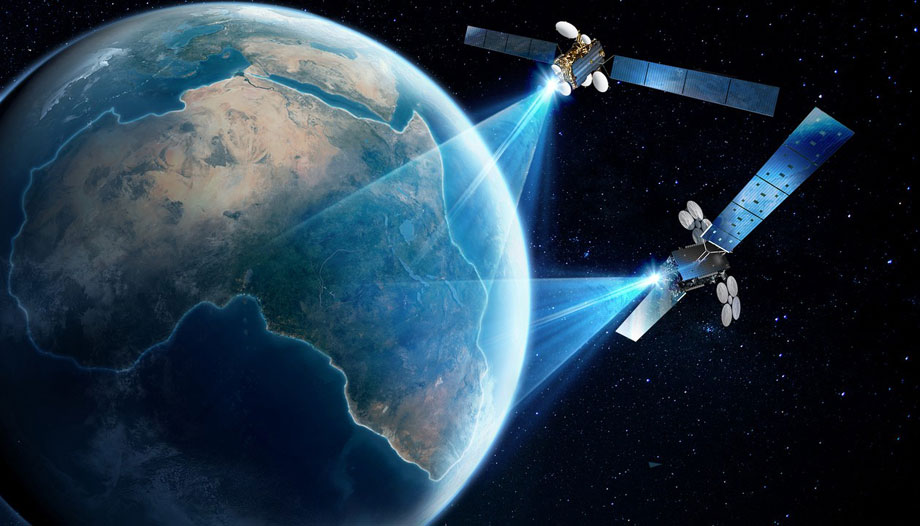
The advent of low-earth orbit (LEO) satellite services is set to significantly impact rural internet service providers (ISPs) in South Africa. While this technology presents challenges, it also offers opportunities for WISPs to enhance their offerings by partnering with LEO providers to improve broadband access.

Currently, internet connectivity in rural areas heavily relies on Wireless Internet Service Providers (WISPs), which use Wi-Fi-based fixed-wireless access (FWA) systems. These WISPs employ tall masts and specialised radio technology to deliver internet to homes and businesses. Despite its advantages, FWA is notably slower than fibre-to-the-home (FTTH) and fixed 5G or LTE services, often at similar price points. For example, a provider like Herotel offers a 4/2Mbps line at US$26, while FTTH connections frequently exceed 20Mbps for a comparable cost.

Residents in very remote areas often resort to geosynchronous (GEO) satellite internet, which is costly and requires rigorous usage policies. In contrast, new LEO satellite broadband services are emerging to address these challenges. SpaceX’s Starlink is leading thSpaceX, deploying over 7,000 satellites and serving over 10 million customers worldwide. It promises faster speeds, greater bandwidth, and lower latency than traditional options, although it has not officially launched in South Africa.

Dawie de Wet, CEO of Q-Kon Africa, stated that the launch of Starlink could disrupt revenue streams for smaller ISPs. Other companies, including Amazon with its Project Kuiper, are also looking to enter the market, focusing on commercial customers and potentially partnering with larger telecommunications companies. As low Earth orbit (LEO) technology advances, it will greatly impact internet connectivity in rural South Africa, creating challenges and new opportunities for existing ISPs.


Share Tweet Post Email
Tags: 5G ServicesConnectivityInternet Service Providers (ISPs)Starlink
Share202Tweet126
Previous Post

Tom Cruise’s ‘Mission: Impossible – The Final Reckoning’ To Premiere At Cannes Film Festival

Next Post

Nigeria: Regulator Sets 90-Day Deadline For Telcos To Address Lingering Subscriber Issues

Publisher
-
Benjamin Pius
Publisher
-
Benjamin Pius

 About us

Our goal is always to keep industry stakeholders abreast of opportunities in technology and service innovations that are and will shape Africa’s broadcasting and media industry via quality news, information, intelligence and insight .

 Contact us

+44 (0) 207 712 1526
info@broadcastingandmedia.com
BSP Communications Limited
Level 37, One Canada Square
Canary Wharf
London, E14 5AB, United Kingdom

No Result
View All Result
  • Home
  • News & Reports
  • Resources
  • Services
    • Promo: Spotlight Service
  • Events
  • Community
This website uses cookies. By continuing to use this website you are giving consent to cookies being used. Visit our Privacy Policy.