






Canal+ has inaugurated Studios Mancala, a three-stage production complex in Abidjan, Côte d’Ivoire, designed to increase local content production capacity while offering studio facilities to independent producers, competing broadcasters and commercial clients.
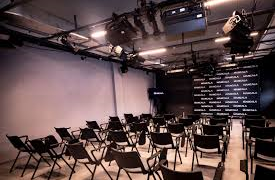
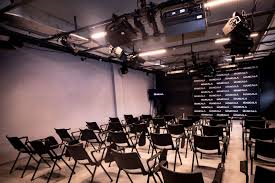
Located in Cocody Riviera Golf, the complex features three modular production stages, two of which have audience capacities of 250 and 90 people respectively. The studios are designed to accommodate a range of formats, including entertainment shows, talk programmes, magazine productions, game shows and cultural content.
Canal+ estimates that the facility could support the production of more than 1,000 hours of programming annually. This will supplement the group’s existing output of more than 10,000 hours of content a year across francophone Africa, produced in approximately 30 languages.
While Studios Mancala will serve Canal+ channels, its facilities will also be available for booking by independent production companies, rival broadcasters, advertising agencies and corporate clients. This open-access model could help widen access to professional production infrastructure in a market where studio availability and production resources can constrain the development of new formats.
Côte d’Ivoire’s state news agency, AIP, highlighted the facility’s potential to strengthen local production capacity, positioning the investment as infrastructure that could benefit the wider audiovisual sector rather than exclusively supporting Canal+’s in-house programming.
The project also incorporates a training component. Agreements with ISTC Polytechnique and INSAAC provide for placements and site visits, creating opportunities for students to gain exposure to professional production environments and industry workflows.
Speaking at the inauguration, the director general of the A+ channels stressed the need for broadcasters to view digital platforms not simply as tools for distribution and visibility, but as potential sources of revenue. He also addressed the role of artificial intelligence in content creation, reflecting wider industry discussions about how new technologies may change production processes and business models.
For Côte d’Ivoire’s broadcasting industry, the complex represents a practical investment in production infrastructure, with the potential to support more programming, broaden access to studio facilities and strengthen collaboration between broadcasters, producers and training institutions. Its wider impact will depend on affordability, utilisation and the extent to which independent producers can secure access to the stages.
The development also highlights a broader opportunity for African media markets: shared production facilities can help reduce infrastructure barriers, encourage experimentation with local formats and support the creation of content for both traditional television and digital platforms.

