





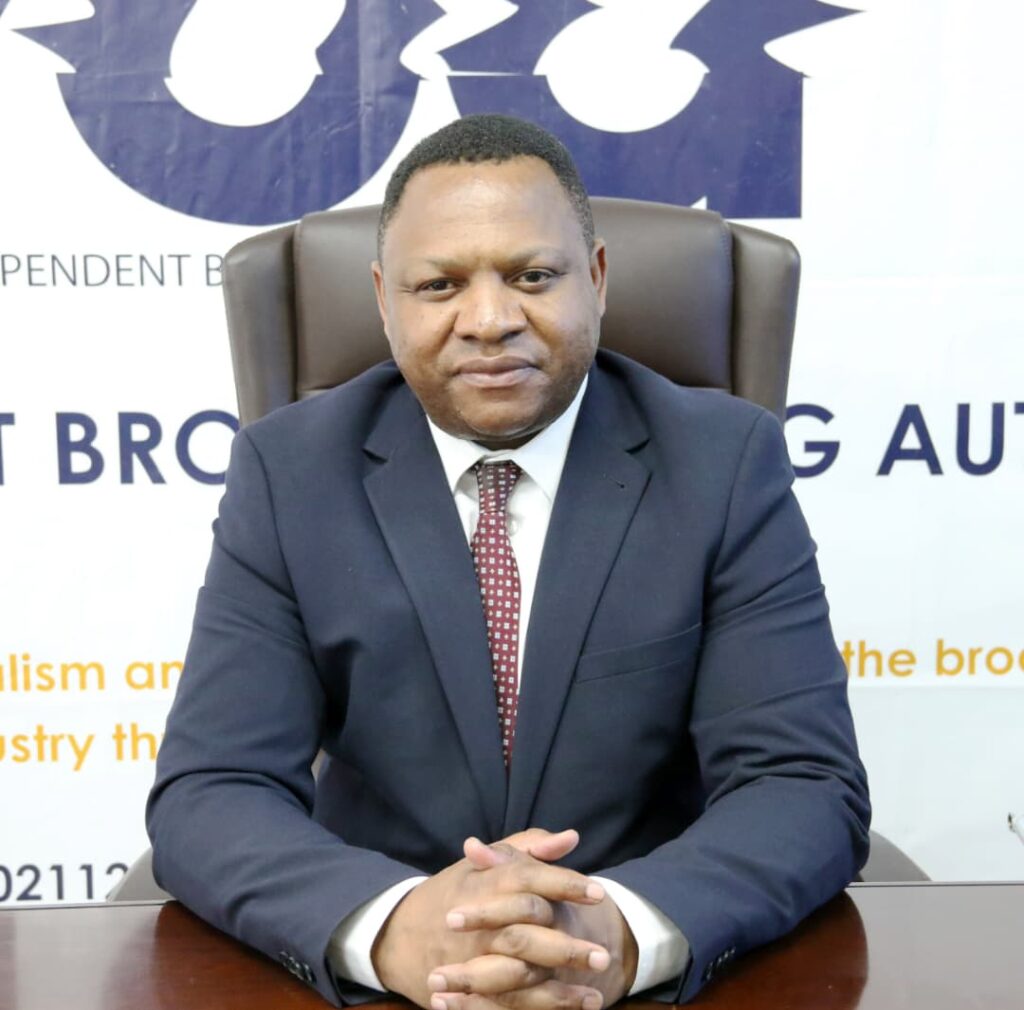
As Africa’s radio and audio broadcasting industry continues to navigate rapid digital transformation, regulators and broadcasters must work together to create enabling frameworks that support innovation while safeguarding public interest, according to Webster Malido, Director General of the Independent Broadcasting Authority (IBA).
Speaking ahead of the upcoming Radio Broadcasting Convention – Africa 2026, Malido highlighted the growing need for regulatory frameworks to evolve in response to the emergence of hybrid media organisations that now operate across traditional radio, streaming services, podcasting platforms, and on-demand content channels.
“Across many jurisdictions, broadcast licensing frameworks are being reviewed and adapted to accommodate the realities of today’s media environment,” said Malido. “There is increasing recognition that traditional platform-based regulation may no longer be sufficient, and that more flexible, technology-neutral approaches are needed to effectively oversee modern broadcasting services while maintaining accountability and protecting audiences.”
The shift towards digital and online content distribution has also introduced a range of regulatory complexities. According to Malido, broadcasters expanding beyond national borders face significant challenges in complying with differing content standards, advertising regulations, copyright laws, data protection requirements, and jurisdictional rules across multiple markets.
“The borderless nature of digital broadcasting raises important questions around regulatory jurisdiction, enforcement, and accountability,” he noted. “Broadcasters are increasingly required to balance compliance obligations with operational efficiency as they seek to reach audiences across diverse regions.”
Addressing the role of regulators in fostering industry growth, Malido emphasised the importance of adopting risk-based and consultative regulatory approaches. He argued that ongoing engagement between regulators, broadcasters, technology providers, and other stakeholders is essential to ensuring that regulations remain relevant and proportionate in a rapidly changing media landscape.
“Regulatory frameworks should provide the flexibility necessary to encourage innovation and investment while maintaining clear standards relating to content, fair competition, consumer protection, and media diversity,” he said.
Looking ahead to the convention, Malido expressed optimism that the gathering would provide a valuable platform for dialogue, knowledge sharing, and collaboration among industry stakeholders.
“I hope participants will leave with a deeper appreciation of both the opportunities and challenges shaping the future of radio broadcasting in Africa,” he said. “The industry’s continued success will depend on strong partnerships, practical solutions, and a shared commitment to ensuring that radio remains sustainable, relevant, and impactful in the digital era.”
The Radio Broadcasting Convention – Africa 2026 will bring together regulators, broadcasters, technology providers, content creators, policymakers, and industry leaders from across the continent to examine the future of radio and audio broadcasting amid ongoing technological and market transformation.