






Media archivists, preservation specialists, broadcasters, and cultural heritage professionals have called for urgent and coordinated action to safeguard Africa’s sound and audio-visual archives from growing risks of deterioration, obsolescence, and permanent loss.
The call emerged during a recent Broadcast Media Africa (BMA) expert panel webinar titled “Identifying, Safeguarding And Managing Risks To Sound And Audio-Visual Archives And Collections,” which brought together leading international and African experts to discuss the challenges and opportunities facing the preservation of the continent’s audio-visual heritage.
Moderated by Dr Paul Lihoma of the National Archives of Malawi, the webinar featured presentations and discussions from Sophia Duiker (Nelson Mandela Foundation, South Africa), Brecht Declercq (RSI and FIAT/IFTA), JC Kummer (NOA Archive), and Masego Mmutle (National Film, Video and Sound Archives of South Africa).
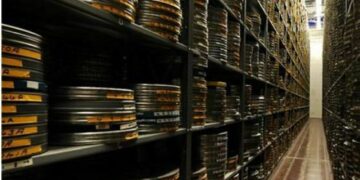
Throughout the session, speakers stressed that audio-visual archives are more than historical collections; they represent an essential record of Africa’s cultural identity, political history, and collective memory. Participants warned that without immediate intervention, many valuable recordings could be lost forever due to physical degradation, outdated media formats, inadequate funding, limited technical expertise, and insufficient preservation policies.
One of the key themes emerging from the discussion was the urgent threat posed by format obsolescence. Experts noted that some legacy video formats, particularly those widely used during the post-independence broadcasting era across Africa, can no longer be played due to a scarcity of functioning equipment and technical expertise.
The panel also highlighted the growing risks associated with digital preservation. While digitisation remains a critical preservation strategy, speakers cautioned that digital files themselves are vulnerable to corruption, storage failures, inadequate metadata management, and future format obsolescence if not properly managed.
Participants emphasised that effective risk management begins with understanding the collections themselves. Institutions were encouraged to undertake comprehensive collection assessments, prioritise materials based on their significance and vulnerability, and establish ongoing monitoring processes rather than treating preservation as a once-off project.
Drawing on examples from Sudan, South Africa, Malawi, and other international preservation initiatives, the webinar demonstrated that successful preservation efforts depend on strategic planning, disaster preparedness, and robust backup systems. Speakers stressed the importance of maintaining off-site and geographically distributed copies of digital collections to reduce the risk of catastrophic loss.
The discussion also highlighted the value of collaboration. Panellists showcased successful partnership models involving archives, broadcasters, governments, donors, and international organisations, illustrating how institutions with limited resources can build preservation capacity through cooperation and shared expertise.
Concluding the webinar, participants agreed that preserving Africa’s audio-visual heritage requires long-term commitment, sustainable funding, skills development, and stronger collaboration across the continent and internationally. The experts urged stakeholders to act now while much of Africa’s archival content remains recoverable.
Commenting on the discussions, Dr Paul Lihoma noted that preserving audio-visual archives is not simply about saving media assets but about protecting Africa’s memory, history, and identity for future generations.
To view the webinar summary, please click here.
To view the full webinar report, please click here.