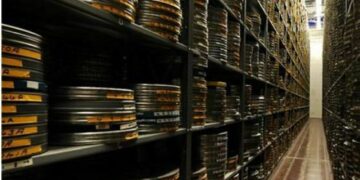








The ethical management of sound and audio-visual archives is becoming an increasingly important issue for broadcasters, archivists, cultural institutions, and heritage organisations across Africa. As collections continue to expand through digitisation, restoration, and preservation initiatives, questions surrounding ownership, cultural sensitivity, indigenous rights, and community participation are taking centre stage within the archive management landscape.
These important concerns will be addressed during the upcoming webinar, Identifying, Safeguarding & Managing Risks To Sound & Audio-Visual Archives & Collections, on Tuesday, 09 June 2026.
Under the discussion topic “Ethical Considerations In Archive Preservation: Community Consultation, Repatriation & Indigenous Collections,” industry experts and stakeholders will examine the growing need for ethical frameworks to guide the collection, storage, access, and sharing of historical recordings, oral histories, traditional knowledge, and culturally sensitive materials.
The session will focus strongly on the importance of community consultation in archive management processes. Many archive collections contain materials linked to indigenous communities and cultural groups whose voices were historically excluded from decisions relating to preservation and access. The discussion will explore how broadcasters, archivists, and heritage institutions can work more collaboratively with communities to ensure that archive practices reflect cultural values, sensitivities, and expectations.
Participants will also examine the complex issue of repatriation and the return of archival materials to their communities or countries of origin. Across the global archive and heritage sector, there is increasing debate around recordings, footage, photographs, and historical documentation that were removed, acquired, or stored outside their original cultural context. The webinar will explore the ethical, legal, and institutional considerations involved in repatriation processes, as well as the role broadcasters and archive custodians can play in supporting more equitable access to heritage materials.
Another major focus of the session will be the safeguarding of indigenous collections and traditional knowledge systems. Discussions will address how archive preservation strategies can better protect culturally sensitive materials while still ensuring long-term accessibility and sustainability. Speakers are expected to examine issues relating to consent, intellectual property rights, cultural ownership, digitisation ethics, and the responsible use of emerging technologies, including AI-driven archive systems.
The session will further highlight the importance of balancing preservation objectives with cultural respect and social responsibility. As archive institutions increasingly adopt digital technologies to preserve and distribute content, ethical considerations are becoming essential in shaping policies around access, interpretation, metadata management, and public usage of archival materials.
The webinar is expected to provide valuable perspectives for broadcasters, archive managers, librarians, museums, media organisations, cultural institutions, policymakers, and researchers seeking to strengthen ethical practices within the preservation and management of Africa’s sound and audio-visual heritage.