


• Latest
YouTube Introduces New Tools To Assist Creators In Producing Content For Television

YouTube Revamps Monetisation Guidelines To Tackle Duplicate Content

July 15, 2025
Navigating The FAST, AVOD AND SVOD Landscape: Monetising Streaming In Africa

BMA’s View: Is Africa Ready For Its Own “Netflix”? Financing, Talent, And The Path To A Pan-African Streaming Giant

February 9, 2026

East African Telco Operators Establish Cross-Border Fibre Corridor

February 9, 2026

Nigeria: Airtel Says It Has Achieved 99Percent 4G Coverage Across The Country

February 9, 2026
For The Community, By The Community – Enhanced Digitally

Kenya: Radio Citizen And Radio Jambo Compete For Dominance In Rural And Urban Areas

February 9, 2026
Ghana: Meta Faces Lawsuit Over Content Moderators’ Mental Health

EU Urges TikTok To Reform Design Amid Children’s Rights Concerns

February 9, 2026
Reworking Broadcast Newsroom Operations For The Age Of AI – What To Pay Attention To

Reworking Broadcast Newsroom Operations For The Age Of AI – What To Pay Attention To

February 6, 2026
SuperSport To Miss Coverage of 2026 Winter Olympics Because Of Cost-Cutting Measures

SuperSport To Miss Coverage of 2026 Winter Olympics Because Of Cost-Cutting Measures

February 6, 2026
Kenya: TikTok Says It Removed 600,000 “Unsafe” Videos In Commitment To User Safety

TikTok And Qatar Commit To A Global Creator Ecosystem

February 6, 2026

Starlink Launches In Senegal To Enhance Connectivity And Digital Inclusion

February 6, 2026
Joburg Film Festival 2026: Celebrating African Narratives And Global Cinema From March 3 to 8

Joburg Film Festival 2026: Celebrating African Narratives And Global Cinema From March 3 to 8

February 6, 2026
Spectrum: Nigeria Gains Extra Broadcast And Telecommunications Frequencies – Report

Cloud Broadcasting Frameworks: Spectrum Allocation & Digital Transmission Economics

February 5, 2026
Vilpa Max: A New Streaming Platform Elevating Short Films And Emerging Filmmakers In North Africa And Beyond

Vilpa Max: A New Streaming Platform Elevating Short Films And Emerging Filmmakers In North Africa And Beyond

February 5, 2026
Monday, February 9, 2026
Broadcast Media Africa
  • Home
  • News & Reports
    • Animation Content
    • Broadcasting
    • Broadcasting Right
    • Broadcasting Rights
    • Cinema Content
    • Connectivity
    • Content Distribution
    • Content Production
    • Content Regulation
    • Film Festival
    • Film Industry
    • Media Regulation
    • Mergers & Acquisition
    • OTT & Streaming
    • Pay-TV
    • Radio Broadcasting
    • Regulation
    • Satellite
    • Tech Features
    • Telecommunications
  • Industry Resources
    • Audio & Podcasts
    • Reports & Presentations
    • TV and Videos
  • Products & Services
    • Promo: Spotlight Service
  • Events
    • All Events
    • BMA Events
  • Join BMA Network
  • Login
Login
Join BMA Network
BMA
  • Home
  • News & Reports
    • Animation Content
    • Broadcasting
    • Broadcasting Right
    • Broadcasting Rights
    • Cinema Content
    • Connectivity
    • Content Distribution
    • Content Production
    • Content Regulation
    • Film Festival
    • Film Industry
    • Media Regulation
    • Mergers & Acquisition
    • OTT & Streaming
    • Pay-TV
    • Radio Broadcasting
    • Regulation
    • Satellite
    • Tech Features
    • Telecommunications
  • Industry Resources
    • Audio & Podcasts
    • Reports & Presentations
    • TV and Videos
  • Products & Services
    • Promo: Spotlight Service
  • Events
    • All Events
    • BMA Events
  • Join BMA Network
  • Login
Login
Join BMA Network
BMA
Join BMA Network
No Result
View All Result
Home OTT & Streaming

YouTube Revamps Monetisation Guidelines To Tackle Duplicate Content

July 15, 2025
Reading Time: 2 mins read
A A

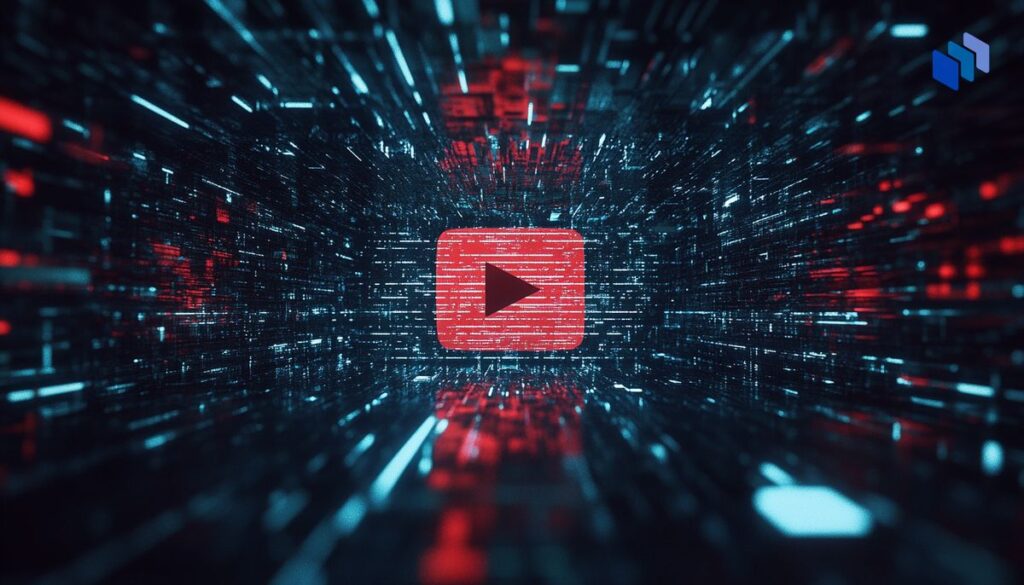
YouTube recently implemented a change to its monetisation guidelines aimed at discouraging the posting of duplicate content. Following the announcement, the platform was prompted to provide further clarification as creators raised concerns about the potential ramifications of this update.

Recently, YouTube introduced an enhancement in its approach to enforcing policies against “mass-produced” content bolstered by improved detection techniques.

“To qualify for monetisation through the YouTube Partner Program (YPP), creators have always been expected to publish original and authentic work. Starting July 15, 2025, we will update our guidelines to enhance the identification of mass-produced and repetitive content. This update more accurately reflects what constitutes ‘inauthentic’ content today.”

This suggests YouTube is aiming to tackle AI-generated imitation content and various processes involved in replicating it. Specifically, the platform targets:

“Channels upload narrative stories with only minor variations and channels that present slideshows featuring identical narration.”

The focus is on content that closely mirrors existing videos on the platform without offering any significant alterations.

While this may appear straightforward with no significant cause for concern, speculation persists regarding what “mass-produced” and “repetitive” truly mean within this framework.

YouTube has since elaborated on what the update entails and how it will affect different types of content. According to Rene Ritchie, YouTube’s Creator Liaison, “repetitive” content is now called “inauthentic” content, which clarifies that the policy targets mass-produced and repetitive items.

This update does not affect re-used content; creators can still share content sourced from other platforms or re-upload videos on YouTube, and it will remain eligible for monetisation.

“All types of content in this category can continue to be monetised if significant original commentary, modifications, or educational or entertainment value has been added to the original video,” YouTube clarified.

Importantly, this update does not specifically target AI-generated content:

YouTube encourages creators to use AI tools to enhance their storytelling. Channels that incorporate AI in their videos remain eligible for monetisation. YouTube also offers creators several AI tools, including autodubbing and Dreamscreen. All creators must comply with YouTube’s monetisation policies and disclose when their content is altered or synthetic.”

While AI-generated content is not the central focus of this update, YouTube has been actively addressing channels that share fake, AI-generated movie trailers.

Share Tweet Post Email
Tags: News & ReportsOTTStreamingYouTube
Share210Tweet132
Previous Post

Connectivity And Convergence – Next Chapter For Broadcast Media In Africa

Next Post

Morocco Launches Bidding Process For 5G Licenses Ahead Of Major Sporting Events

Publisher
-
Benjamin Pius
Publisher
-
Benjamin Pius

 About us

Our goal is always to keep industry stakeholders abreast of opportunities in technology and service innovations that are and will shape Africa’s broadcasting and media industry via quality news, information, intelligence and insight .

 Contact us

+44 (0) 207 712 1526
info@broadcastingandmedia.com
BSP Communications Limited
Level 37, One Canada Square
Canary Wharf
London, E14 5AB, United Kingdom

No Result
View All Result
  • Home
  • News & Reports
    • Animation Content
    • Broadcasting
    • Broadcasting Right
    • Broadcasting Rights
    • Cinema Content
    • Connectivity
    • Content Distribution
    • Content Production
    • Content Regulation
    • Film Festival
    • Film Industry
    • Media Regulation
    • Mergers & Acquisition
    • OTT & Streaming
    • Pay-TV
    • Radio Broadcasting
    • Regulation
    • Satellite
    • Tech Features
    • Telecommunications
  • Industry Resources
    • Audio & Podcasts
    • Reports & Presentations
    • TV and Videos
  • Products & Services
    • Promo: Spotlight Service
  • Events
    • All Events
    • BMA Events
  • Join BMA Network
  • Login
This website uses cookies. By continuing to use this website you are giving consent to cookies being used. Visit our Privacy Policy.