






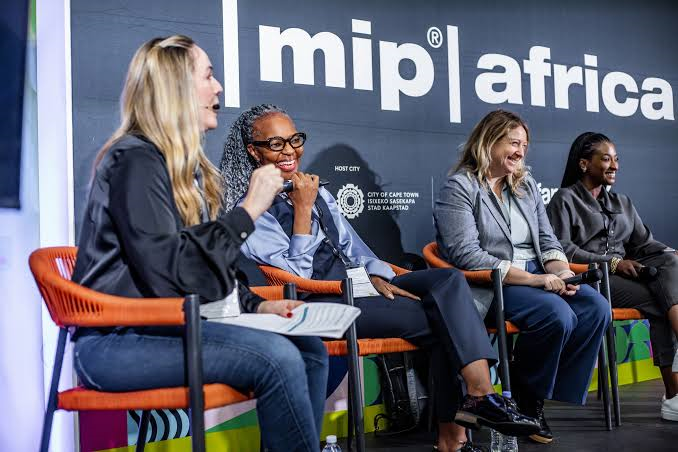
The first MIP Africa market since Canal+ completed its acquisition of MultiChoice placed French media interests firmly in the spotlight, with France named destination of honour and a delegation of more than 25 French industry professionals attending the Cape Town event.
MultiChoice served as the market’s super sponsor, occupying the largest pavilion on the trade floor. The French presence extended across the programme, which included an opening-night event at Cape Town’s Labia Theatre, speed-networking sessions connecting African filmmakers with French financiers, and discussions involving Canal+, MultiChoice and StudioCanal on developing a more integrated pan-African commissioning ecosystem.
The market reported participation from 47 countries, representing a 28% increase on 2025, alongside 80 buyers from 18 countries. The figures point to continued international interest in Africa’s content market, particularly as regional production companies seek financing, distribution partnerships and opportunities to reach audiences beyond their domestic territories.
The emphasis on French participation also reflects the changing industry landscape following Canal+’s takeover of MultiChoice. With the French group now controlling one of Africa’s largest pay-TV operations, its commissioning priorities, financing relationships and distribution networks are likely to play an increasingly significant role in shaping the continent’s content business.
The discussions around a pan-African commissioning ecosystem are particularly relevant to producers navigating fragmented markets, varying regulatory environments and different levels of production financing. Closer cooperation between African production companies, broadcasters and international financiers could create opportunities for content to travel across borders, although the practical impact will depend on commissioning commitments, rights arrangements and the availability of investment.
However, the market also attracted attention for the absence of two significant South African commercial broadcasters. According to media industry reporting by Thinus Ferreira, Primedia and eMedia’s e.tv were not represented on the trade floor.
Their absence raises questions about the participation of established local broadcasters in an increasingly international content marketplace. Whether driven by budget considerations, strategic priorities or other factors, the decision comes at a time when the market is placing greater emphasis on international co-production and partnerships with major global media groups.
For South African and wider African producers, MIP Africa 2026 therefore presented two contrasting signals: growing international engagement and the expanding influence of Canal+ within the regional content economy, alongside questions about how local broadcasters choose to participate in the market.
As Canal+ integrates MultiChoice into its wider operations, future editions of MIP Africa will offer an important platform for observing how commissioning strategies, financing partnerships and relationships with independent producers evolve across the continent.