






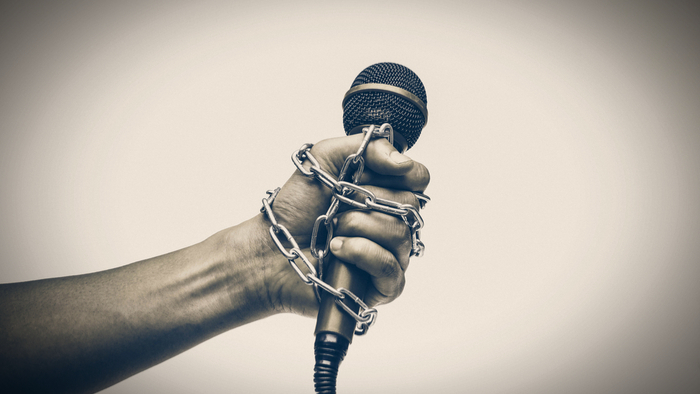
Employees of Czech Television and Czech Radio are preparing for an all-day strike on Tuesday, 3 November 2026, in opposition to proposed legislation that would abolish household licence fees and replace them with direct state-budget funding. The dispute has renewed international debate about how public broadcasters can secure sustainable financing without compromising their editorial independence.
The legislation, advanced by the governing coalition of ANO, SPD and the Motorists, passed its first parliamentary reading in the Chamber of Deputies in the early hours of Saturday, 24 October. The vote took place at 4:36am after Chamber Speaker Tomio Okamura scheduled the sitting and restricted debate to nine hours, despite more than 60 lawmakers registering to speak. The bill has not yet become law.
Under the proposal, the current monthly household fees of approximately US$7 for television and US$2.60 for radio would be abolished. In their place, Czech Television would receive an annual allocation of approximately US$267 million, while Czech Radio would receive around US$96 million.
The combined allocation of about US$363 million would be approximately US$65 million, or 15%, below the broadcasters’ expected licence-fee income for the year. The European Broadcasting Union (EBU) and the European Federation of Journalists (EFJ) have criticised the proposed reduction and the accelerated parliamentary process, warning that inadequate and less predictable funding could weaken the broadcasters’ ability to fulfil their public-service responsibilities.
The debate has also exposed differences within the political leadership over the future funding model. Prime Minister Andrej Babiš floated an alternative on 1 November involving voluntary contributions, with a guaranteed amount channelled outside the state budget. However, he did not provide details of how such a mechanism would operate.
The legislative timetable means the reform will not take effect at the beginning of 2027. A 60-day consideration period pushes the second reading into January, leaving the existing licence-fee system in place while parliamentary consideration continues.
Public opposition has also gathered momentum. Thousands of demonstrators assembled in Prague’s Old Town Square on 25 October, with further protests reported in Brno, Liberec and České Budějovice. Another Prague demonstration is scheduled for 15 November. The EBU and EFJ have joined other media organisations in expressing solidarity with Czech public media employees and calling for safeguards to protect institutional independence.
For African broadcasting markets, the dispute carries wider relevance. Public broadcasters including South Africa’s SABC, Ghana’s GBC, Namibia’s NBC, Zimbabwe’s ZBC and Kenya’s KBC face their own questions around funding adequacy, government support, commercial revenue and long-term financial sustainability.
The Czech debate highlights a central policy distinction: replacing licence fees with direct state allocations does not automatically remove a broadcaster’s public-service status, but the funding framework can affect its financial predictability and relationship with government. The EBU has pointed to the European Media Freedom Act, which requires public-service media funding to be adequate, sustainable and predictable, with safeguards for editorial independence.
As the proposed legislation moves towards further parliamentary scrutiny, the strike will bring renewed attention to the relationship between public funding, institutional autonomy and the ability of broadcasters to serve audiences independently.

