

• Latest
South Africa: Blue Label Telecoms Secures ICASA Approval For Cell C Licence Transfer

Nigeria: Telco Regulator Rolls Out Measures to Combat Non-Compliance In The Sector

August 6, 2025
Call For Entries: Broadcast Media Award (Southern Africa) 2025 – Celebrating Excellence In Broadcasting

BMA Unveils Esteemed Panel Of Judges For The 2026 Awards – Celebrating Excellence In African Media

September 24, 2026
Outcomes And Resources From The Broadcast & Digital Media Convention – East Africa Now Available

Kenya’s Broadcasting Market Faces Subscriber Decline Amid Rising Decoder Costs – Report

September 24, 2026
Building Bridges: Collaboration As The Key To Africa’s Cloud Broadcasting Future

Day Two Review: West Africa Broadcasters Convention Calls For Collaboration, Innovation And New Media Models

September 24, 2026
Mahanga TV Launches In Nigeria To Take Hausa Storytelling And Northern Talent Global

Mahanga TV Launches In Nigeria To Take Hausa Storytelling And Northern Talent Global

September 24, 2026
Canal+ Afrique Original ‘Clash’ Wins International Francophone Series Award

Canal+ Afrique Original ‘Clash’ Wins International Francophone Series Award

September 24, 2026
Rights: Ghana FA Secures Exclusive Broadcasting Deal With DStv For Upcoming League Season

DAZN Secures AFCON 2027 And CAF Champions League Rights

September 24, 2026
Merger Talks Between Sony And Zee Entertainment Are Still On The Table

Paramount-Warner Deal Clears Legal Hurdle, With African Channel Line-Ups in Focus

September 24, 2026
Smart Broadcasting AI Data And The Future Of Engagement

Day One Review: Convention Explored Digital Infrastructure And Smarter AI Adoption For Broadcasters In West Africa

September 23, 2026

Guinea Regulator Bans 10 Web TVs and Two News Websites Over Licensing Breaches

September 23, 2026
AI: Speed Without Context Is A Liability – New BMA Report Highlights Editorial Risks In “AI-Driven” Newsrooms

Smart Distribution: How AI Is Reshaping Playout, Advertising And Audience Discovery

September 23, 2026
Kenyan Regulator Cracks Down On Betting Ads: Broadcasters Given 14 Days To Comply

Côte d’Ivoire Seeks TV5MONDE Governance Role From 2027

September 23, 2026
“Stronger Support Required For Community Media”, Says MDDA CEO Ahead Of Audience and Advertising Summit In Johannesburg, South Africa

Disney+ Opens Advertising Path On Premium Streaming Plans In South Africa

September 23, 2026
Thursday, September 24, 2026
Broadcast Media Africa
  • Home
  • News & Reports
  • Resources
  • Services
    • Promo: Spotlight Service
  • Events
  • Community
No Result
View All Result
BMA
  • Home
  • News & Reports
  • Resources
  • Services
    • Promo: Spotlight Service
  • Events
  • Community
BMA
Join BMA Network
No Result
View All Result
Home Telecommunication

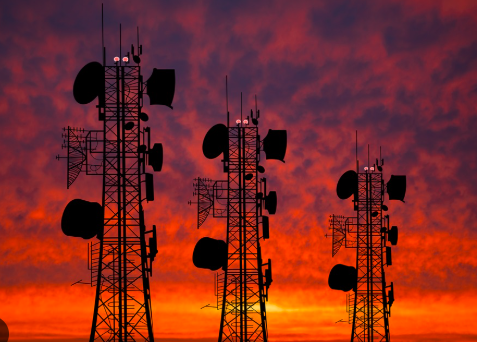
Nigeria: Telco Regulator Rolls Out Measures to Combat Non-Compliance In The Sector

August 6, 2025
Reading Time: 3 mins read
A A

The Nigerian Communications Commission (NCC) has strongly condemned the widespread violations of regulatory rules by Information and Communications Technology (ICT) operators.

In light of ongoing non-compliance and consistent service quality failures, the Commission is drafting stronger, non-monetary penalties to hold these operators accountable for their actions.

Dr. Aminu Maida, the Executive Vice Chairman of NCC, delivered this warning amid service disruptions, frequent outages, equipment malfunctions, and inadequate infrastructure maintenance by telecom tower companies and other ICT service providers. Such violations threaten the integrity of the Internet and voice services, potentially impacting Nigeria’s burgeoning digital economy.

Investigations have revealed that many companies have remained unfazed by financial penalties. They continue to easily violate regulatory guidelines, often budgeting for these fines in their financial statements. This practice has drawn criticism from the NCC, which is prioritising compliance over financial profits in its regulatory framework.

As a result, the Commission is preparing to review its Enforcement Processes Regulations (EPR) from 2019, which currently prescribes monetary fines for violations.

A consultation paper signed by Maida reveals that the Commission is contemplating introducing asymmetric sanctions. This approach would impose differing sanctions on smaller and larger operators for similar violations, aiming to enhance industry sustainability and uphold equitable enforcement.

Among the five regulatory proposals being considered ahead of the anticipated rule-making process for the ERP review in 2029—anchored in Section 71 of the Nigerian Communications Act (NCA) 2023—is the potential for non-monetary sanctions against licensees who violate rules.

The NCC has requested feedback from stakeholders to influence specific amendments and changes that will be implemented when the rule-making process is initiated later in the third quarter of 2025.

One of the proposals seeks to establish non-monetary administrative measures that would restrict certain licensing privileges and benefits, such as punitive action for violations relating to licensing, interconnection debt, and other non-compliance issues.

Maida explained that this Regulatory Proposal aims to shift the focus from financial penalties to administrative measures and regulatory actions, which would facilitate improved compliance and more effective regulation enforcement against violators.

The second proposal aims to establish liability for emerging issues such as call masking, call refiling, and SIM boxing, thereby expanding both criminal and administrative liabilities for infractions related to interconnection and call manipulation by both licensees and non-licensees.

These measures will be grounded in the authority granted to the NCC by Section 70 of the Act, which empowers the Commission to implement regulations concerning communications offences.

The third proposal aims to clarify the general and specific administrative fines outlined in the EPR 2019. Maida noted that this proposal aims to refine and amend the Schedule of Regulations, detailing different breaches and their corresponding fines, addressing challenges identified in the 2024 Regulatory Impact Assessment (RIA).

The fourth regulatory proposal aims to define administrative and liability measures that hold licensees’ Boards and Management accountable for repeated violations of the Nigerian Communications Act 2003 and applicable regulations. This proposal seeks a comprehensive revision of Regulation 18 of the EPR 2019, outlining administrative actions that could impact the existence and operation of a licensee’s management and board.

In summary, the NCC is taking decisive steps to enhance compliance within the telecommunications sector, signalling a shift towards more rigorous regulatory enforcement.

Share Tweet Post Email
Tags: News & ReportsNigerian Communications Commission (NCC)Telecommunication
Share207Tweet129
Previous Post

Transforming Voice of Nigeria (VON): A Commitment To Excellence And Global Engagement – Report

Next Post

Starlink Launches Satellite Internet Service In Somalia To Enhance Connectivity

Publisher
-
Benjamin Pius
Publisher
-
Benjamin Pius

 About us

Our goal is always to keep industry stakeholders abreast of opportunities in technology and service innovations that are and will shape Africa’s broadcasting and media industry via quality news, information, intelligence and insight .

 Contact us

+44 (0) 207 712 1526
info@broadcastingandmedia.com
BSP Communications Limited
Level 37, One Canada Square
Canary Wharf
London, E14 5AB, United Kingdom

No Result
View All Result
  • Home
  • News & Reports
  • Resources
  • Services
    • Promo: Spotlight Service
  • Events
  • Community
This website uses cookies. By continuing to use this website you are giving consent to cookies being used. Visit our Privacy Policy.