






In days gone by, interfering with a broadcast required physical proximity and specialist equipment. All that is now required is an internet connection.
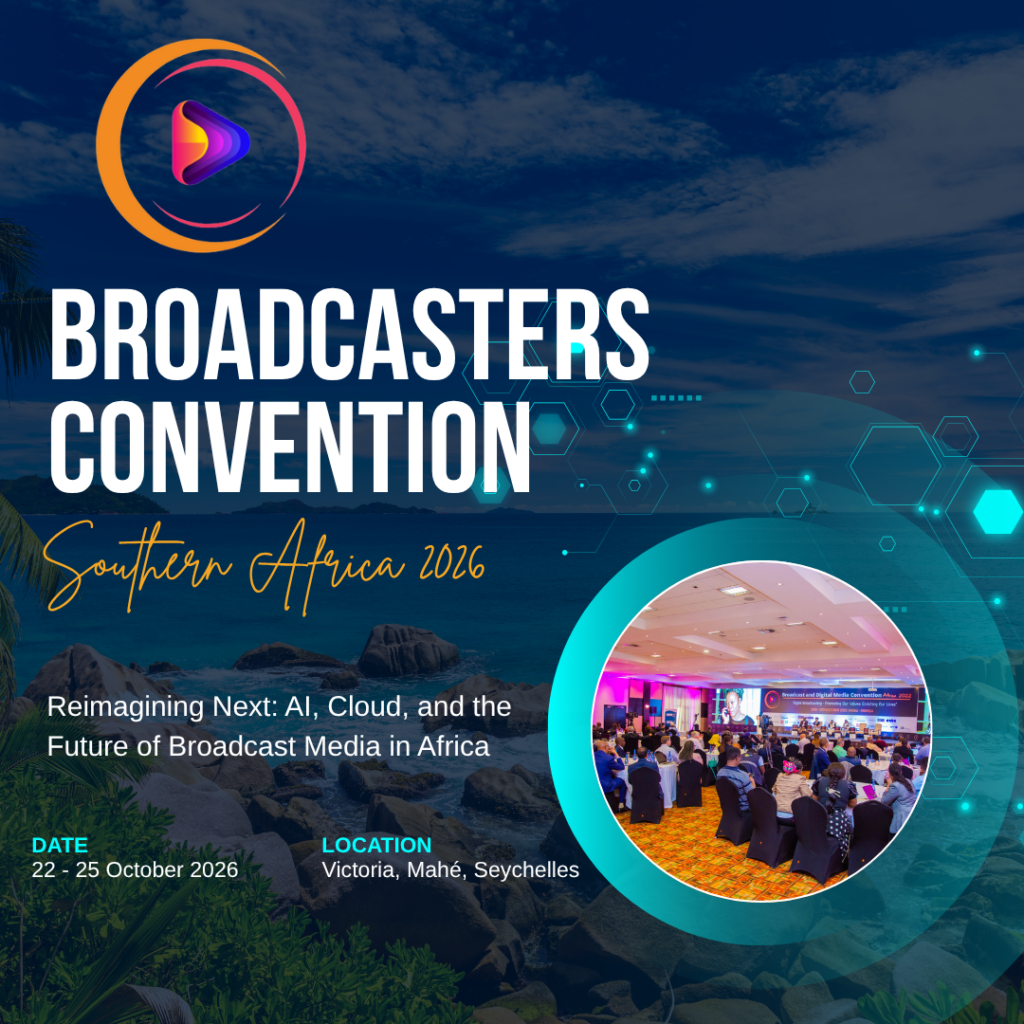
That shift sits behind one of the more pointed sessions at the Broadcasters Convention – Southern Africa 2026, taking place 22–25 October 2026 at Avani+ Barbarons, Mahé, Seychelles, where keen discussions will be held on the important topic of “Cybersecurity, IP Networks and the Security Implications of Digitalisation”.
As broadcasters replace baseband plants with IP networks, move playout and archives to the cloud, and distribute across more platforms, the attack surface grows. Alongside the standard risks facing any IP network, exposure specific to our own equipment remains. Studio-to-transmitter links, data encoders and emergency alert systems have all been identified as particular weak points, in some cases reachable over the public internet with default credentials still in place.
Broadcast engineers group the recognised threats into four:
- denial of service
- content hijacking
- malware
- ransomware
The regional dimension was set out at BMA’s own September webinar on securing the signal, where panellists pointed to content stolen from production networks and surfacing on competing platforms, malware arriving on removable drives through informal file transfers, and a growing reliance on cloud services hosted outside Africa, which reduces local control.
Their recommendations were practical rather than exotic: segment broadcast systems from corporate networks, tighten access controls and encryption, watermark content, and build African expertise in cybersecurity and cloud engineering. For smaller stations, credible firewall and VPN protection can cost under a thousand dollars.
Key sessions of interest at the Broadcasters Convention – Southern Africa 2026 will also cover digital transformation, multi-platform distribution, and the economics of digital operations, before thirteen SABA member broadcasters present their country reports.
For broadcasters whose licence obligations are measured in uptime, the question the Seychelles session leaves on the table is a simple one: how long would your station stay on air under a serious attack, and who would know first?
The Broadcasters Convention – Southern Africa 2026 is the 10th edition of the regional gathering, hosted by the Seychelles Broadcasting Corporation (SBC) and convened by Broadcast Media Africa (BMA) in collaboration with the Southern African Broadcasting Association (SABA).
For more information, visit: Broadcasters Convention – Southern Africa 2026