







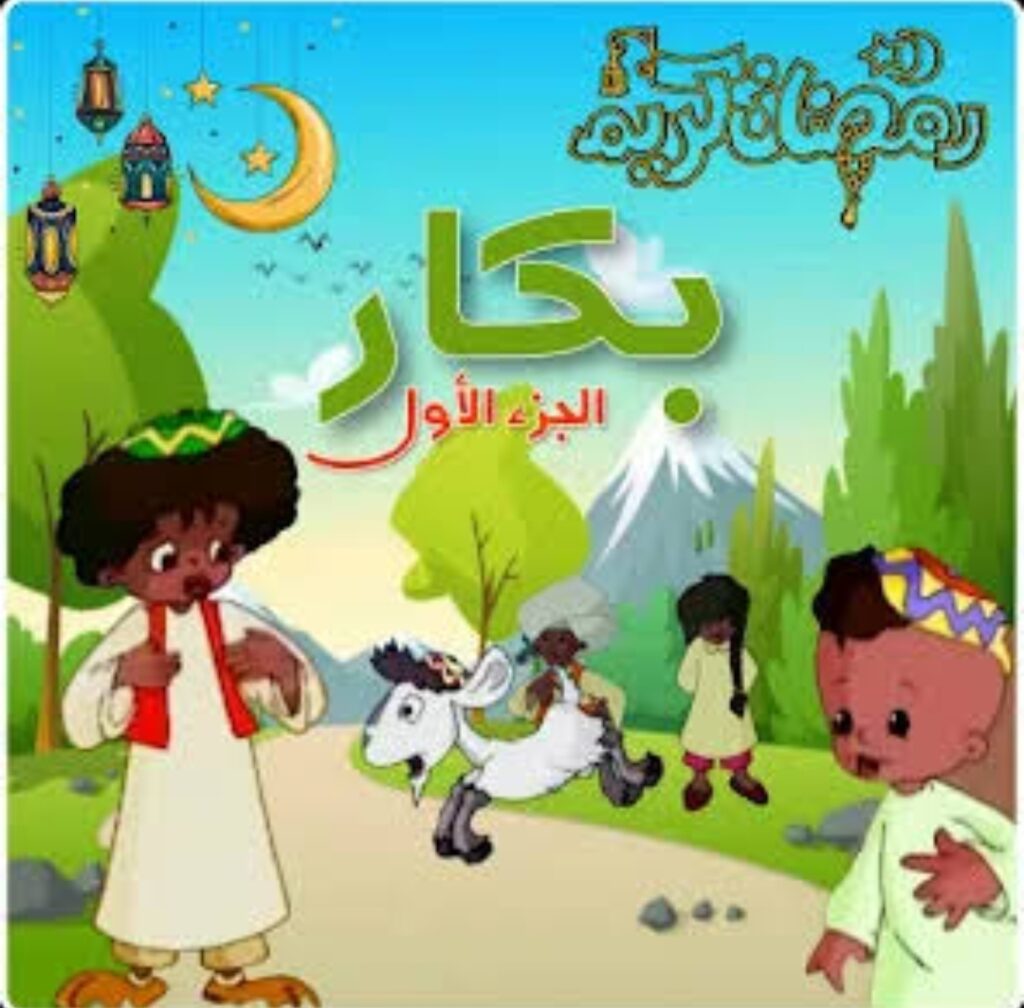
Egypt’s National Media Authority has released ten episodes of the animated series Bakkar, originally produced by Egyptian Television in 1998, on its Maspero Atfal children’s YouTube channel. The episodes have been upscaled to 4K resolution, marking a new digital presentation of the long-running title.
The restoration was carried out by Maspero’s artificial intelligence unit, established to enhance picture and sound quality across the broadcaster’s archive. Ahmed Al-Maslmani, head of the National Media Authority, has highlighted the unit’s role in modernising historical content while preserving the original material.
Bakkar enjoyed considerable popularity during its original television run, making it a useful test case for the broadcaster’s wider archive-restoration ambitions. The release demonstrates how AI-assisted enhancement can help older productions meet the technical expectations of contemporary digital platforms without requiring an entirely new production.
The distribution strategy is also significant. Rather than returning the restored episodes to linear television first, Maspero has made them available through its digital children’s channel on YouTube. This creates a separate route to audiences, with platform-specific advertising opportunities, digital viewing data and the potential to reach younger viewers and families beyond the broadcaster’s traditional schedule.
For African public broadcasters, many of which hold extensive collections of locally produced drama, animation, educational programmes and cultural material, the initiative illustrates a practical approach to archive monetisation. AI-assisted restoration could help reduce some technical barriers to reusing older content, although the cost of processing, rights clearance, metadata and ongoing distribution still needs to be considered.
A digital-first release can also help broadcasters test audience demand before committing restored titles to wider distribution. Viewing performance may inform future decisions about additional episodes, linear scheduling, licensing or partnerships with other platforms.
Maspero’s Bakkar release moves archive digitisation beyond policy announcements and into a visible distribution strategy. Its longer-term value will depend on audience performance and the broadcaster’s ability to apply the approach across more of its catalogue, but it provides a practical example of how public media archives can be repositioned as active content assets.

