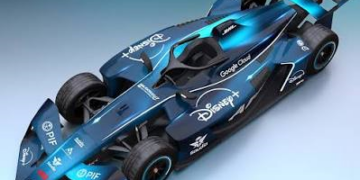







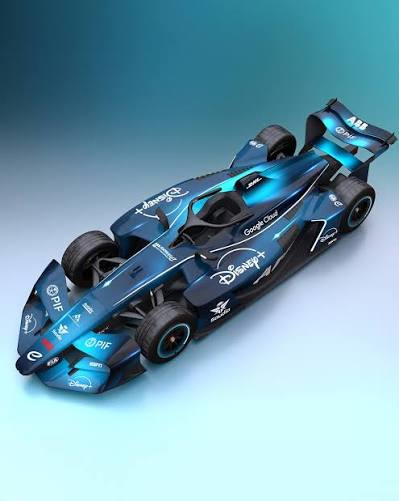
Disney+ has secured the global streaming rights to the ABB FIA Formula E World Championship, positioning the platform as the primary streaming home of the all-electric racing series across more than 140 territories worldwide.
The agreement will take effect from the 2026/27 Formula E season, which begins on 18 December in Saudi Arabia. In the United States, live race coverage will be available on both Disney+ and ESPN+, while Formula E will retain the flexibility to work with local linear broadcasters in selected markets.
The new partnership will provide fans with comprehensive coverage throughout race weekends, including practice sessions, qualifying and live races, expanding access to the championship across Disney’s streaming ecosystem.
The 2026/27 season will feature 21 races across 13 event weekends, with high-profile destinations including Miami, Monaco and Mexico City.
Founded in 2014, Formula E has continued to expand its international audience as interest in electric vehicles and sustainable motorsport grows. The championship’s move to Disney+ marks a significant change in its streaming strategy, with Disney replacing Roku as its primary global streaming partner.
Roku’s previous relationship with Formula E included live race coverage as well as original promotional and documentary programming designed to broaden the championship’s digital audience.
The Disney agreement comes amid a wider reshaping of the global sports broadcasting market, as major leagues and competitions increasingly turn to streaming platforms to reach audiences across multiple territories.
The shift is also reflected in Formula E’s relationship with its motorsport rival, Formula 1. While Formula E is expanding its global distribution through Disney, Formula 1 has moved in the opposite direction in the US, recently ending its ESPN relationship in favour of an exclusive broadcast partnership with Apple.
The contrasting deals highlight the increasingly competitive battle among streaming platforms and technology companies for premium live sports rights, with global reach, digital distribution and direct access to audiences becoming increasingly important factors in the future of sports broadcasting.